

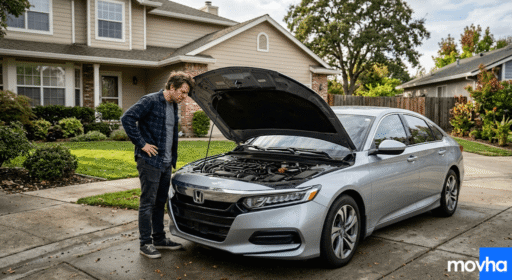

If you are looking for a dependable used sedan, this iconic Japanese vehicle is likely at the top of your list. However, before you hand over your hard-earned cash, you must know exactly what years of honda accord to avoid.
While this brand is globally famous for manufacturing cars that can easily surpass 200,000 miles with basic maintenance, no automaker is perfect. Certain manufacturing runs of this specific model were plagued with catastrophic transmission failures, excessive oil consumption, and faulty electronics.
In this comprehensive buyer’s guide, we will break down exactly what years of honda accord to avoid, explain the mechanical nightmares associated with these specific models, and guide you toward the safest years to buy.
The Short Answer: What Years of Honda Accord to Avoid?
If you are standing at a dealership lot and need a quick answer, the general consensus among mechanics and automotive experts on what years of honda accord to avoid points to three specific eras: 2000 to 2004, 2008 to 2009, and 2013 to 2014.
These specific model years generated the highest volume of consumer complaints, expensive repair bills, and manufacturer recalls. If you want to dive deep into consumer reporting data, authoritative platforms like CarComplaints.com clearly show massive spikes in reported defects during these specific production runs.

The Early 2000s: Catastrophic Transmission Failures
When discussing what years of honda accord to avoid, the 2000, 2001, 2002, 2003, and 2004 models are universally considered the absolute worst.
During this era, vehicles equipped with the V6 engine and automatic transmission suffered from catastrophic gearbox failures. The automatic transmissions would slip, jerk aggressively, and eventually fail completely, often before the car even reached 100,000 miles.
Replacing a transmission is one of the most expensive repairs on a vehicle. If you are looking at a used model from the early 2000s, unless it has a manual transmission, it is best to walk away.
2008 and 2009: The Oil Consumption Era
The next major red flags when researching what years of honda accord to avoid are the 2008 and 2009 models.
These vehicles suffered from severe premature brake pad wear, requiring owners to replace their brakes constantly. More alarmingly, the engines in these years were notorious for excessive oil consumption. Owners reported having to add quarts of oil between regular service intervals. If left unchecked, this lack of oil leads to complete engine failure.
2013 and 2014: Starter and Steering Problems
The 2013 and 2014 models mark the final major warning zone for what years of honda accord to avoid.
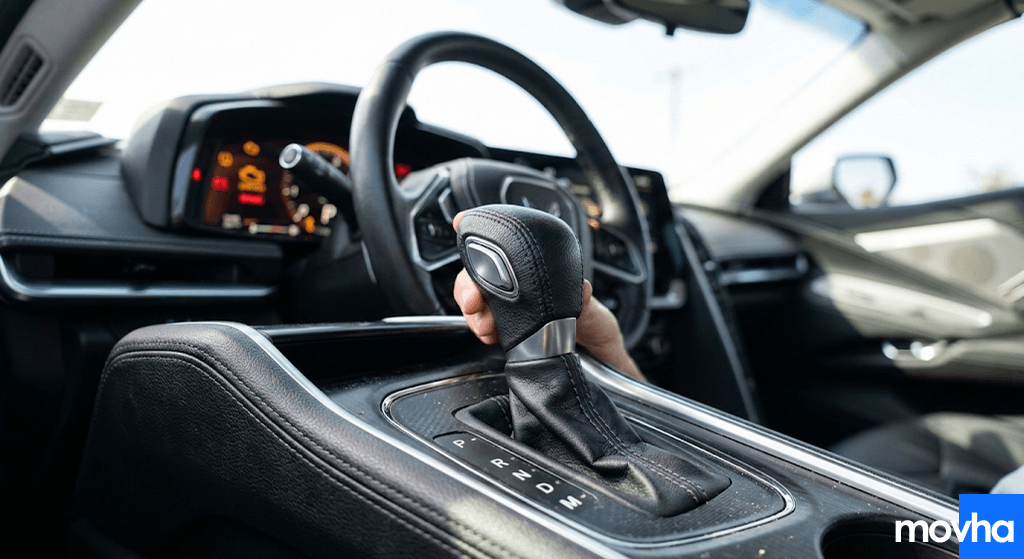
While they did not have the massive transmission failures of the early 2000s, they suffered from widespread electrical issues. The most common complaint was premature starter failure, leaving drivers stranded in parking lots. Additionally, the electronic power steering systems were prone to sudden failure, making the car incredibly difficult and dangerous to steer at low speeds.
Maintaining the Good Models: Fluid and Belt Care
If you skip those problematic years and purchase a reliable model (like a 2011, 2016, or newer generation), you still have to maintain it properly.
For instance, if you buy a newer generation, you must understand when to change 2019 honda accord 2.0 transmission fluid. Keeping fresh fluid in the modern 10-speed gearbox ensures it does not suffer the same fate as the older 2003 models.
Furthermore, keeping an eye on engine oil is crucial. After changing your oil, you should know how to reset a honda accord oil light so your dashboard remains clear and your maintenance schedule stays accurate. Finally, pop your hood occasionally to inspect the rubber components. Knowing what is a serpentine belt and replacing it before it snaps will save you from an expensive tow truck bill.
Conclusion
So, exactly what years of honda accord to avoid? Steer clear of the 2000-2004 V6 automatics, the oil-burning 2008-2009 models, and the starter-plagued 2013-2014 editions.
By avoiding these specific manufacturing years, you can safely invest your money into one of the most reliable, comfortable, and long-lasting sedans on the global market. Always insist on a pre-purchase inspection by a trusted mechanic before signing any paperwork.
Frequently Asked Questions (FAQs)
What is the most reliable year for a used Honda Accord?
The 2006-2007, 2011-2012, and 2015-2017 models are widely considered some of the most reliable used years. They have very few reported transmission or engine complaints compared to other generations.
Are all Honda Accords from 2003 bad?
The massive transmission failures primarily affected the V6 models with automatic transmissions. If you find a 2003 model with a 4-cylinder engine and a manual transmission, it is actually a very reliable vehicle.
How many miles can a good Honda Accord last?
If you avoid the problematic years and keep up with routine maintenance (like timely oil and transmission fluid changes), it is very common for these vehicles to easily surpass 200,000 to 250,000 miles.
Did Honda ever fix the oil consumption issue on the 2008 models?
Honda did issue a class-action lawsuit settlement and extended warranties for the piston rings causing the issue. However, many used cars on the market today may not have had this repair performed, making them a risky purchase.
What are the main signs of transmission failure in the early 2000s models?
If you test drive a 2000-2004 model, watch out for harsh shifting, a significant delay when shifting from Park to Drive, or the engine revving high without the car actually accelerating (slipping gears).