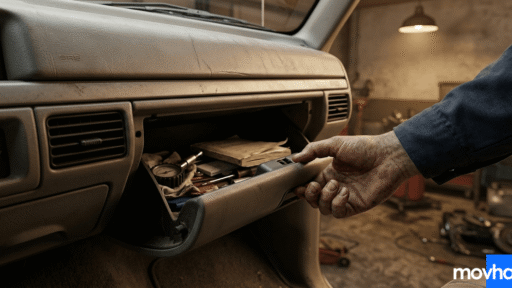



If you are driving down the highway, hear a loud snap from under the hood, and suddenly lose control of your steering wheel, you might be panicking and wondering exactly what happens if your serpentine belt breaks.
This long, continuous rubber loop is the lifeline of your engine. It transfers rotational power from the crankshaft to almost every major external engine accessory. When it completely fails, your car goes from a smooth-running machine to a heavy, dangerous metal box in a matter of seconds.
In this safety guide, we will explain exactly what happens if your serpentine belt breaks, the immediate dangers you will face on the road, and the steps you must take to prevent catastrophic engine failure.
Loss of Steering: What Happens if Your Serpentine Belt Breaks First?
The most immediate and terrifying thing you will notice when investigating what happens if your serpentine belt breaks is the sudden loss of power steering.
The belt spins the power steering pump, which pushes hydraulic fluid to assist you in turning the heavy wheels of the car. The moment the belt snaps, that pump stops. While the steering wheel will not lock completely, it will become incredibly heavy and stiff.
You will have to use significant physical upper body strength to turn the vehicle and safely navigate it to the side of the road. If you want to understand the mechanics behind this, you can read our detailed guide on what does a serpentine belt do for your car’s peripheral systems.

Engine Overheating: The Silent Killer
While heavy steering is scary, the most destructive consequence of what happens if your serpentine belt breaks is the rapid overheating of your engine.
Your vehicle relies on a water pump to constantly circulate liquid coolant through the hot engine block and into the radiator. This pump is driven directly by the serpentine belt. When the belt fails, the coolant stops moving instantly.
Without cooling, the extreme heat from engine combustion will quickly warp the cylinder heads, blow the head gasket, and permanently destroy the engine within minutes.
Electrical Drain and Battery Failure
Another major factor in what happens if your serpentine belt breaks involves your car’s electrical system.
The belt spins the alternator, which generates electricity to run your spark plugs, headlights, radio, and sensors, while simultaneously keeping the battery charged. When the belt breaks, the alternator shuts down.
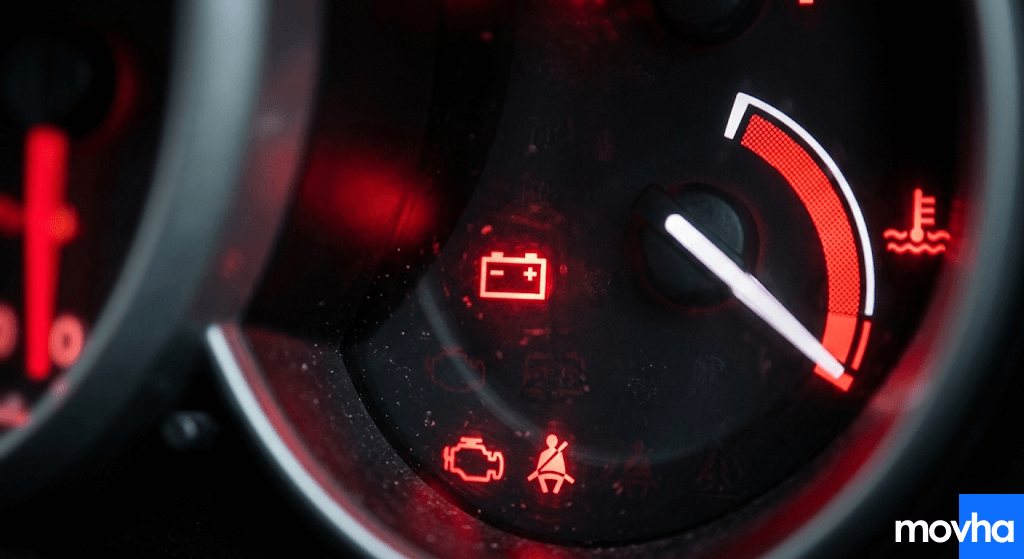
Your car will immediately switch to running purely on the battery’s reserve power. A red battery icon will illuminate on your dashboard. Depending on the size of your battery and the electrical load, the car will completely die and stall out within 10 to 30 minutes.
How to React: What Happens if Your Serpentine Belt Breaks on the Highway?
Knowing what happens if your serpentine belt breaks is only useful if you know how to react safely. According to safety guidelines from organizations like the National Safety Council (NSC), you should follow these steps if you suspect a belt failure:
- Do Not Panic: Grip the steering wheel firmly with both hands, as it will be very heavy.
- Pull Over Immediately: Turn on your hazard lights and carefully maneuver to the safest shoulder or parking lot available.
- Turn Off the Engine: Do not try to drive to a mechanic. Turn the key off immediately to stop the engine from overheating and seizing.
- Call a Tow Truck: Your vehicle is not drivable in this condition. You must have it towed to a repair shop.
Prevention and Maintenance Costs
The best way to deal with this situation is to avoid it entirely. You should learn when to replace serpentine belt components before they snap. Mechanics recommend visual inspections every oil change after 50,000 miles.
Furthermore, a broken belt is an affordable fix, but a blown engine is not. If you are worried about the repair bills, check our breakdown on how much to replace serpentine belt parts. It is a minor preventative cost compared to thousands of dollars in engine replacement fees.
Conclusion
To summarize what happens if your serpentine belt breaks: you will instantly lose power steering, your battery will stop charging, and your engine will overheat rapidly.
It is a highly dangerous situation that requires you to pull over safely and shut off the engine immediately. By keeping up with routine maintenance and replacing old, cracked belts early, you can keep yourself safe and your car running smoothly.
Frequently Asked Questions (FAQs)
Can I drive my car home if the serpentine belt breaks?
No. Driving without a serpentine belt will cause your engine to overheat and seize within just a few minutes, causing catastrophic and irreversible damage. You must pull over and call a tow truck.
Will the car just stop if the serpentine belt breaks?
The car will not stop instantly. However, it will become very hard to steer, the dashboard will light up with warnings, and it will eventually stall when the battery dies or the engine overheats.
How much does it cost to fix what happens if your serpentine belt breaks?
If you turned off the engine before it overheated, the repair is cheap—usually between $100 and $200 for a new belt and labor. If the engine overheated, repairs can cost thousands of dollars.
Does the check engine light come on when a serpentine belt breaks?
You are more likely to see the red battery warning light first, followed quickly by the engine temperature warning light. The check engine light may also trigger due to multiple sensor failures.
What does a breaking serpentine belt sound like?
Before it breaks, it will often make a loud, high-pitched squealing or chirping noise. When it finally snaps, you may hear a loud “pop” or a slapping sound from under the hood as the broken rubber hits engine components.