
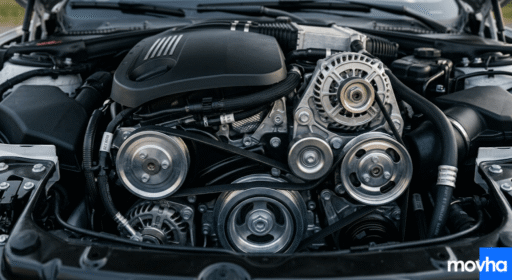
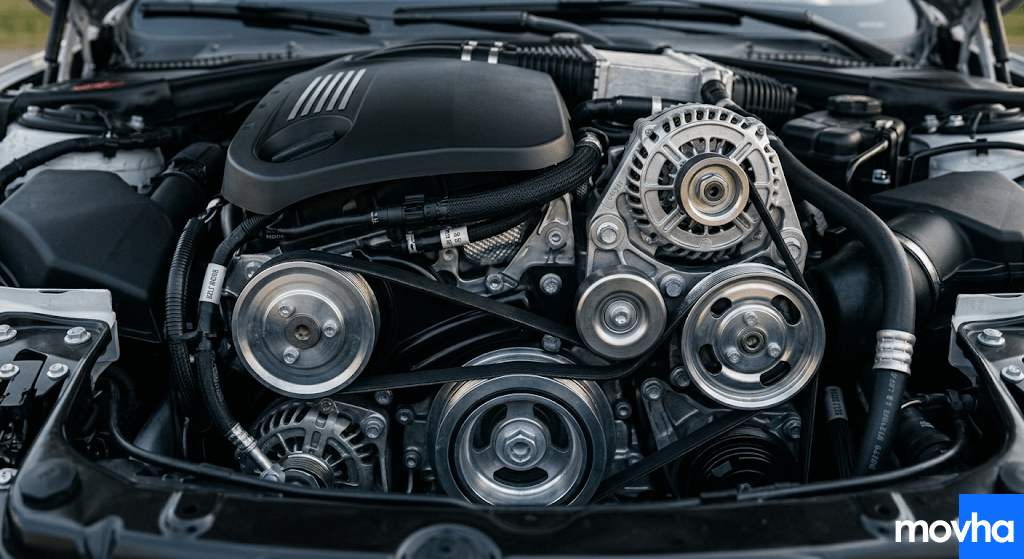

If you have ever looked under the hood of your vehicle, you have probably noticed a long, continuous rubber belt winding through the engine block. You might be asking yourself: what does a serpentine belt do, and why is it so important?
Understanding the function of this simple yet brilliant piece of engineering is essential for any car owner. If this single component fails, your vehicle will quickly become undrivable.
In this article, we will answer exactly what does a serpentine belt do, explore the critical systems it powers, and explain why keeping it in top condition is vital for your safety on the road.
Exactly What Does a Serpentine Belt Do in an Engine?
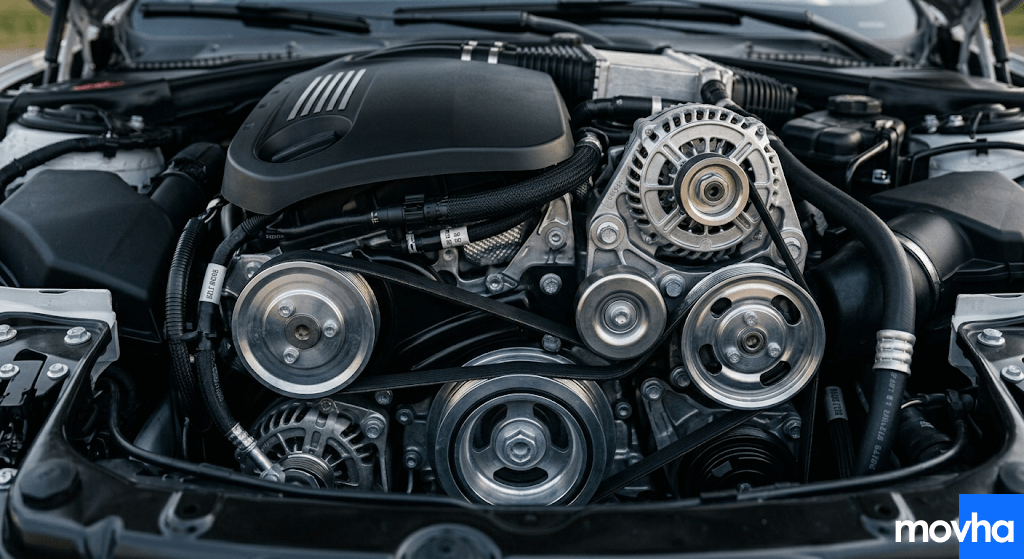
So, what does a serpentine belt do on a basic mechanical level? It acts as a power delivery system. Also known as a drive belt, it connects the engine’s crankshaft to various peripheral accessories mounted on the outside of the engine.
As your engine burns fuel and the crankshaft spins, it turns the serpentine belt. The belt then transfers this rotational energy to multiple pulleys, bringing other crucial car components to life.
Before the invention of the single serpentine belt in the late 1970s, cars used multiple individual V-belts. Today, a single, highly efficient belt snakes around everything, saving space and improving reliability. For a deeper dive into its physical design, check out our foundational guide on what is a serpentine belt.
4 Critical Systems Powered by the Drive Belt
To fully grasp what does a serpentine belt do, we need to look at the specific engine accessories it controls. If you remove the belt, all of the following systems immediately shut down:
The Alternator
The alternator is responsible for generating electricity while the engine is running. It charges your car’s battery and powers all electronic devices, from your headlights and radio to your spark plugs. The serpentine belt spins the alternator’s pulley to create this electrical energy.
The Water Pump
Your engine generates massive amounts of heat. The water pump circulates coolant fluid through the engine block to the radiator, keeping temperatures stable. The drive belt powers this pump. Without it, the engine would overheat in a matter of minutes.
The Power Steering Pump
If you have ever tried to steer a car while the engine is off, you know how heavy the steering wheel feels. The serpentine belt powers the hydraulic power steering pump, making it effortless to navigate turns and park.
The Air Conditioning (AC) Compressor
Comfort is also tied to this belt. It drives the AC compressor, which cools the cabin air. If your belt snaps on a hot summer day, you will lose your air conditioning instantly.
Why is Knowing What Does a Serpentine Belt Do Important?
Knowing what does a serpentine belt do helps you understand why preventative maintenance is non-negotiable. Because this single rubber loop is responsible for electrical power, engine cooling, and steering assist, its health dictates the overall health of your car.
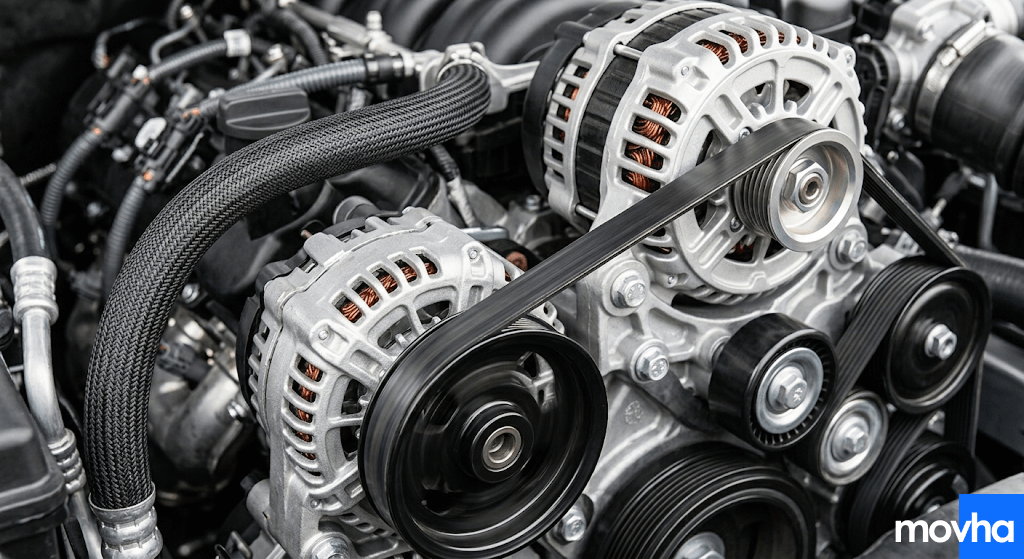
According to automotive safety experts at AAA (American Automobile Association), drivers should visually inspect their drive belts periodically for cracks, fraying, or missing ribs to avoid sudden breakdowns on the highway.
What Happens When It Fails?
If the belt slips heavily or snaps completely, the consequences are immediate. Your dashboard will likely light up with a battery warning symbol because the alternator has stopped working. Your steering wheel will become incredibly stiff, and worst of all, your engine temperature gauge will rapidly climb into the red zone.
If you suspect your belt is old or you hear squealing noises, you should replace it immediately. It is much cheaper to replace a worn belt than to replace a seized engine. You can read our detailed breakdown to find out how much to replace serpentine belt and budget accordingly.
Conclusion: What Does a Serpentine Belt Do for Your Safety?
To summarize, what does a serpentine belt do? It is the lifeline that connects your engine’s mechanical power to the essential accessories that keep your car running safely, smoothly, and at the correct temperature.
By keeping an eye on this hardworking component and replacing it every 60,000 to 100,000 miles, you protect your engine from catastrophic overheating and ensure a safe driving experience.
Frequently Asked Questions (FAQs)
What does a serpentine belt do when I accelerate?
As you accelerate, the engine’s crankshaft spins faster. The serpentine belt spins faster in tandem, increasing the rotational speed of the alternator, water pump, and other accessories to match the engine’s higher power demands.
Will a car run without a serpentine belt?
A car will only run for a very short period (usually a few minutes) without a serpentine belt. It will run purely on battery reserve power until the battery dies, or until the engine overheats due to the water pump not functioning.
Can a bad serpentine belt cause my car to stall?
Yes. If the belt slips or breaks, the alternator stops charging the battery. Once the battery is drained, the car’s electrical system will fail, causing the engine to stall completely.
Is a drive belt the same as a serpentine belt?
In modern vehicles, yes. The terms “drive belt” and “serpentine belt” are often used interchangeably to describe the long, winding belt that powers the external engine accessories.
What are the symptoms of a failing serpentine belt?
Common symptoms include a high-pitched squealing noise from the front of the car, heavy power steering, the AC not blowing cold air, and the engine temperature gauge rising abnormally high.