


Learning exactly how to tell if a serpentine belt is bad is one of the most valuable DIY automotive skills you can develop. This single, continuous rubber loop is responsible for keeping your car’s most critical systems running. If it fails while you are driving at highway speeds, you will find yourself in a highly dangerous situation.
Rather than waiting for a catastrophic breakdown, you can easily inspect this component yourself right in your driveway. You do not need expensive diagnostic computers or specialized mechanic tools—you just need a good flashlight and a basic understanding of what to look and listen for.
In this comprehensive troubleshooting guide, we will explore exactly how to tell if a serpentine belt is bad, outline the visual and auditory warning signs, and explain what your next steps should be to protect your engine.
The Basics: How to Tell if a Serpentine Belt is Bad Visually
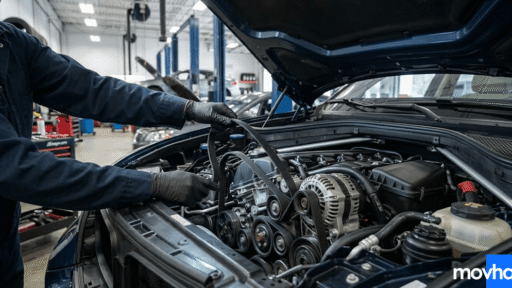
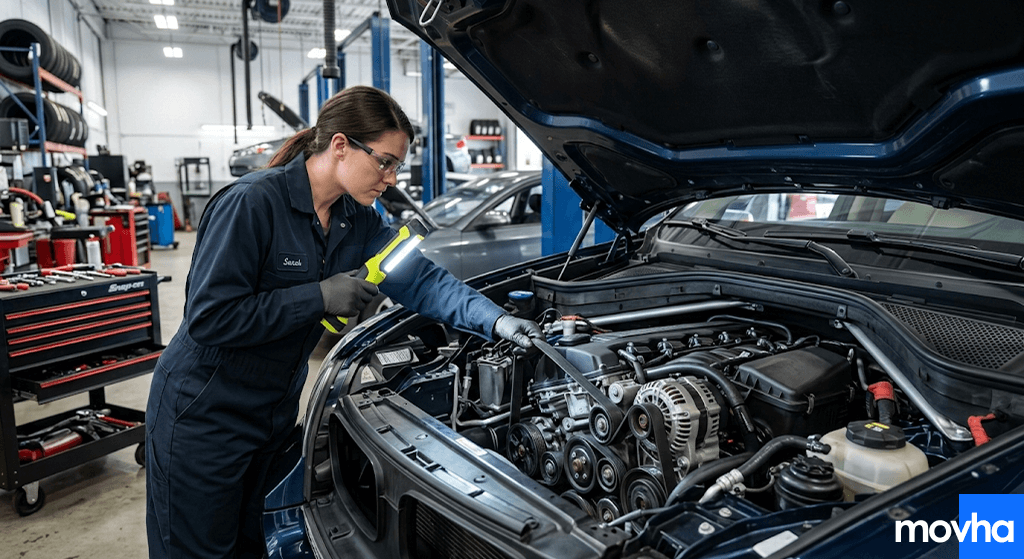
The easiest way to figure out how to tell if a serpentine belt is bad is by simply popping the hood and performing a visual inspection. Make sure the engine is completely turned off and the keys are removed from the ignition for safety.
Grab a flashlight and shine it along the entire length of the black rubber belt. Look for the following fatal flaws:
- Deep Cracks: If you see three or more cracks in a one-inch section of the belt, it is severely degraded.
- Fraying Edges: If the edges of the belt look like a frayed rope, it means the belt is misaligned and rubbing against a metal pulley.
- Missing Chunks: The underside of the belt has grooves. If chunks of this grooved rubber are missing, the belt cannot grip the pulleys safely.
The Squeal: Auditory Warning Signs
Sometimes, you will hear a failing component long before you actually see the physical damage.
If you start your car in the morning—or turn the steering wheel sharply—and hear a loud, high-pitched squealing or chirping noise coming from the front of the engine, you have a problem. This obnoxious noise occurs because the rubber has stretched out over time. It loses its tight tension and begins slipping rapidly across the metal pulleys.
To fully understand why this slipping is so detrimental, we highly recommend reading our foundational guide explaining exactly what does a serpentine belt do for your vehicle’s complex accessory systems.
Performance Drops: Steering and Battery Issues
Another major factor in how to tell if a serpentine belt is bad involves monitoring how your car actually drives.
Because this rubber loop powers your alternator, water pump, and power steering pump, a slipping belt will cause those systems to fail temporarily. If your steering wheel suddenly feels incredibly heavy and difficult to turn, or if a red battery icon flickers on your digital dashboard while driving, your belt is failing.
According to automotive safety guidelines from the National Institute for Automotive Service Excellence (ASE), driving a vehicle that is actively losing power steering assist is a massive safety hazard that requires immediate repair.

The Modern Rib Wear Test
If you drive a newer vehicle manufactured after the late 1990s, your car is equipped with a belt made of EPDM (ethylene propylene diene monomer) rubber.
Unlike older neoprene belts, modern EPDM belts rarely show visible surface cracks. Instead, they wear down like the tread on a tire. The grooves (ribs) on the underside of the belt become shallow. If you want to know when to replace serpentine belt components on a modern car, mechanics use a specialized, inexpensive plastic tool called a “belt wear gauge.”
This tool drops into the grooves of the belt. If the gauge sits flush or falls too deep into the groove, the belt is completely worn out, even if it looks perfectly smooth and crack-free on the outside.
Conclusion
To summarize how to tell if a serpentine belt is bad: use your eyes, your ears, and your hands. Look for deep cracks or fraying edges, listen for high-pitched squealing noises on startup, and pay close attention to heavy steering or flickering dashboard lights.
If you spot any of these warning signs, do not wait for the belt to snap. Proactive replacement is highly affordable. You can check out our detailed cost breakdown on how much to replace serpentine belt parts so you are financially prepared for your next trip to the auto repair shop.
Frequently Asked Questions (FAQs)
Can I drive my car while figuring out how to tell if a serpentine belt is bad?
You can drive safely if you are only experiencing mild squeaking on startup. However, if the steering is heavy, the battery light is on, or the belt is deeply cracked, you should only drive it directly to a mechanic to avoid a total breakdown.
How often should I visually inspect my engine belt?
It is a great habit to quickly inspect your drive belts every time you open the hood to check your oil or refill your windshield washer fluid, or at least every 5,000 miles.
Can a bad belt cause my engine to overheat?
Yes, absolutely. The serpentine belt spins your water pump. If the belt slips aggressively or snaps entirely, the water pump stops circulating coolant, and your engine will overheat in a matter of minutes.
Can I test belt tension with my finger?
Yes, you can perform a basic test. Press down firmly on the longest section of the belt (between two pulleys). It should only deflect (push in) about half an inch. If it pushes down much further, the belt has stretched or the tensioner is broken.
Is it normal for a new serpentine belt to squeak?
No. A brand-new belt should be completely silent. If a new belt is squealing, it usually means the mechanic forgot to clean an oil spill off the pulleys, or the belt tensioner itself is worn out and failing to keep the new belt tight.